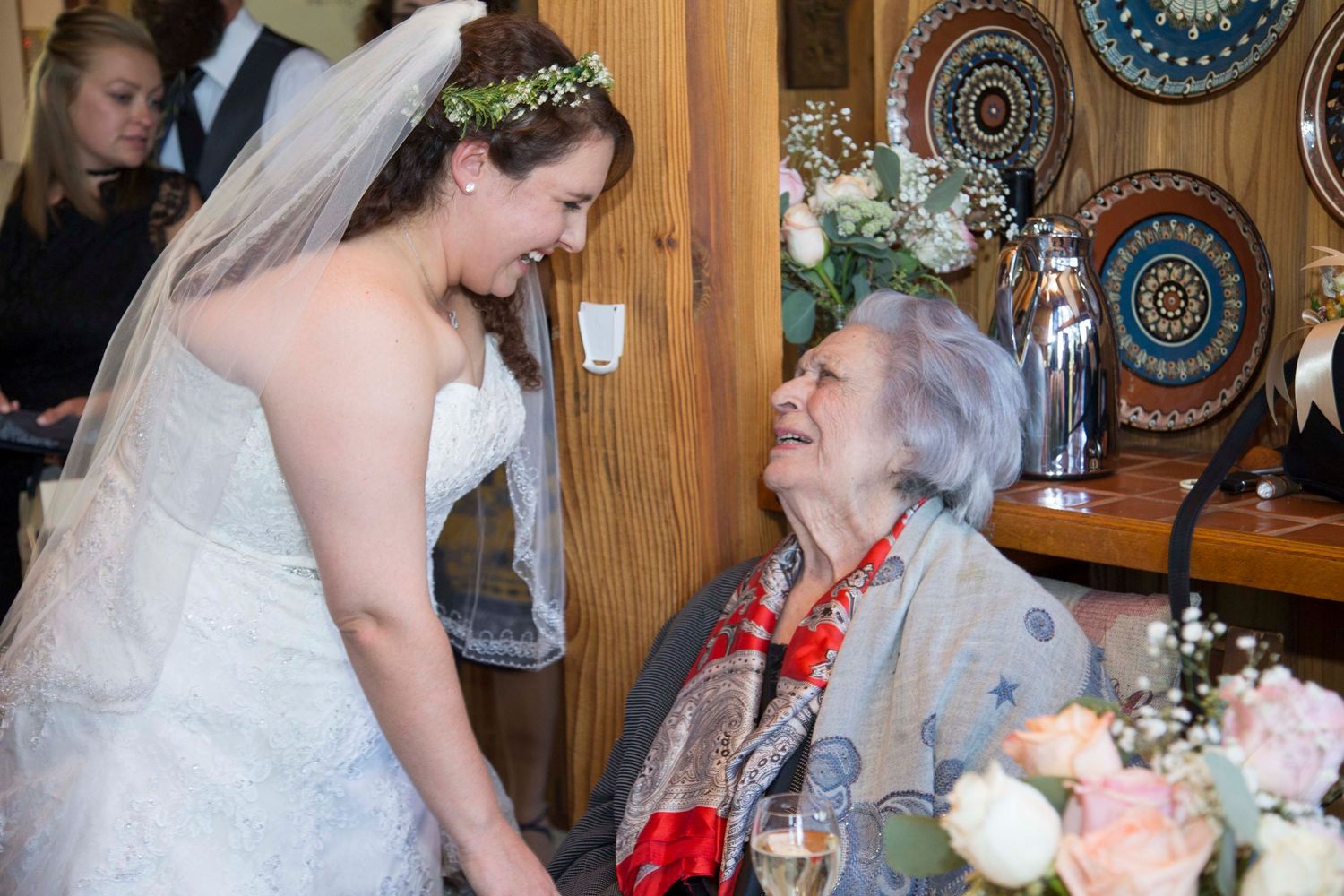
The photographs that stop you cold are never the ones where everyone was looking at the camera. They are the ones where your grandmother is
covering her mouth because she cannot hold it together anymore, where your partner is turning toward you at the altar before anyone told
them to. Where something real is happening and someone was paying close enough attention to catch it.
That is the only kind of wedding photography I know how to do.
What Documentary Wedding Photography Actually Means
The word "photojournalist" gets used loosely in this industry, so let
me be specific about what it means when I say it.
I am not directing your day. I am not arranging your family into
configurations that will take forty-five minutes and produce
photographs nobody will ever frame. I am reading the room. I am
watching the light. I am positioned before the moment happens because
I have learned to feel when something is about to.
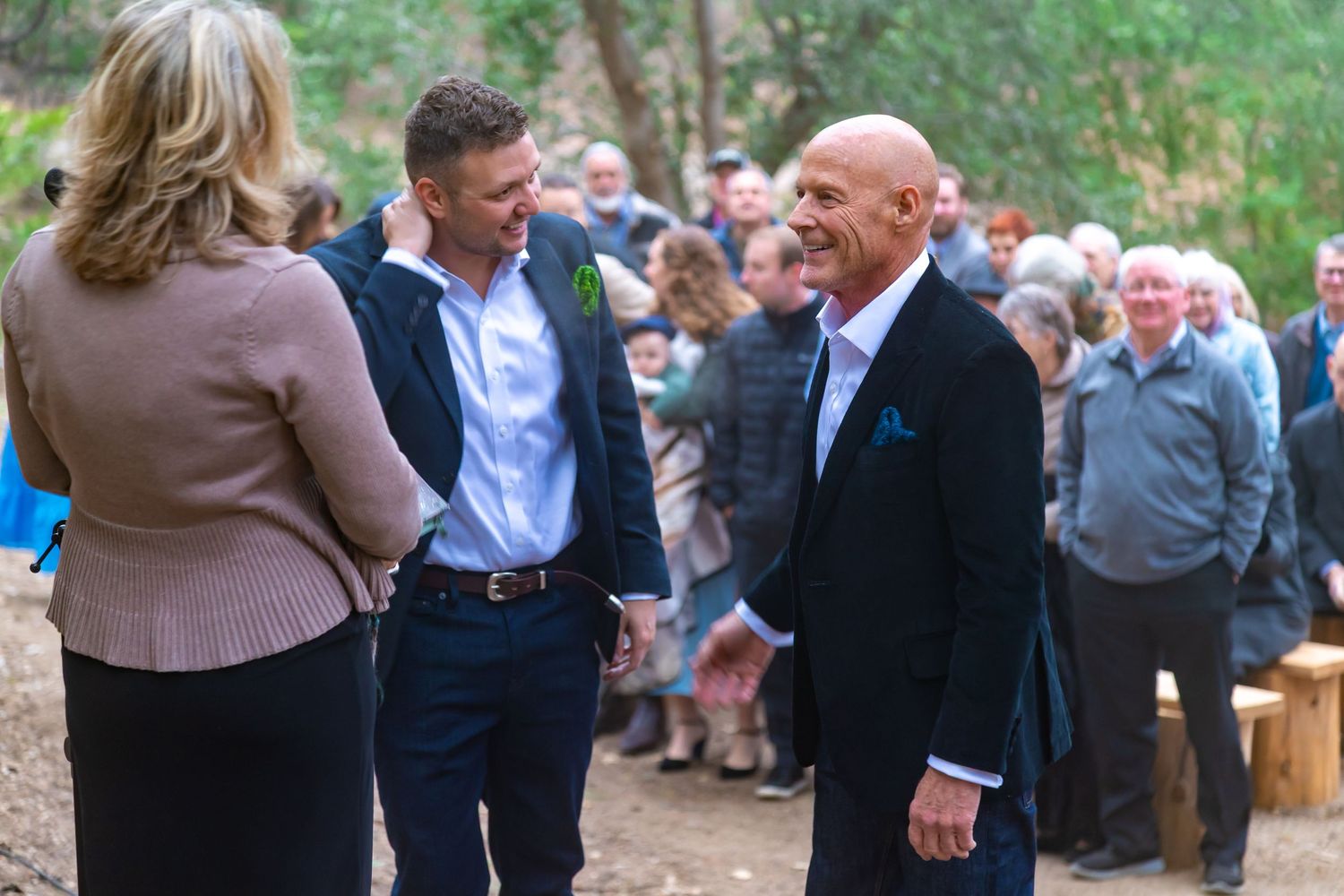
Documentary wedding photography means your images are a record of what
your day actually felt like, not a performance of what weddings are
supposed to look like.
The Technical Discipline Behind "Just Letting Things Happen"
There is a misconception that candid photography is passive. That you
show up, point a camera at people, and wait. Anyone who has tried that
knows how quickly it produces blurry, badly lit, emotionally flat
images.
The editorial discipline that makes documentary work actually work is
invisible in the final photograph, but it is the whole job. Reading
light in real time. Anticipating movement. Choosing the frame that
puts the gesture in context. Knowing when to be close and when to step
back. None of it is accidental.
I trained as a photojournalist before I ever photographed a wedding.
That background shaped everything, including my instinct for the one
frame in a sequence of fifteen that is the real image.
Why This Approach Produces Better Wedding Portraits, Too
Here is something that surprises people: a documentary approach does not mean fewer portraits. It means better ones.
When I do direct portraits, they are intentional. We have maybe fifteen minutes in beautiful light and I know exactly what I am after. The couples who work with me are not exhausted by the portrait portion of their day because we are not spending two hours on it. And because they have spent the last several hours not performing for a camera, they have forgotten to be stiff. The portraits reflect that.
This is the part of the job that requires trust, and I do not take it lightly.
What I Am Looking For at Every Wedding
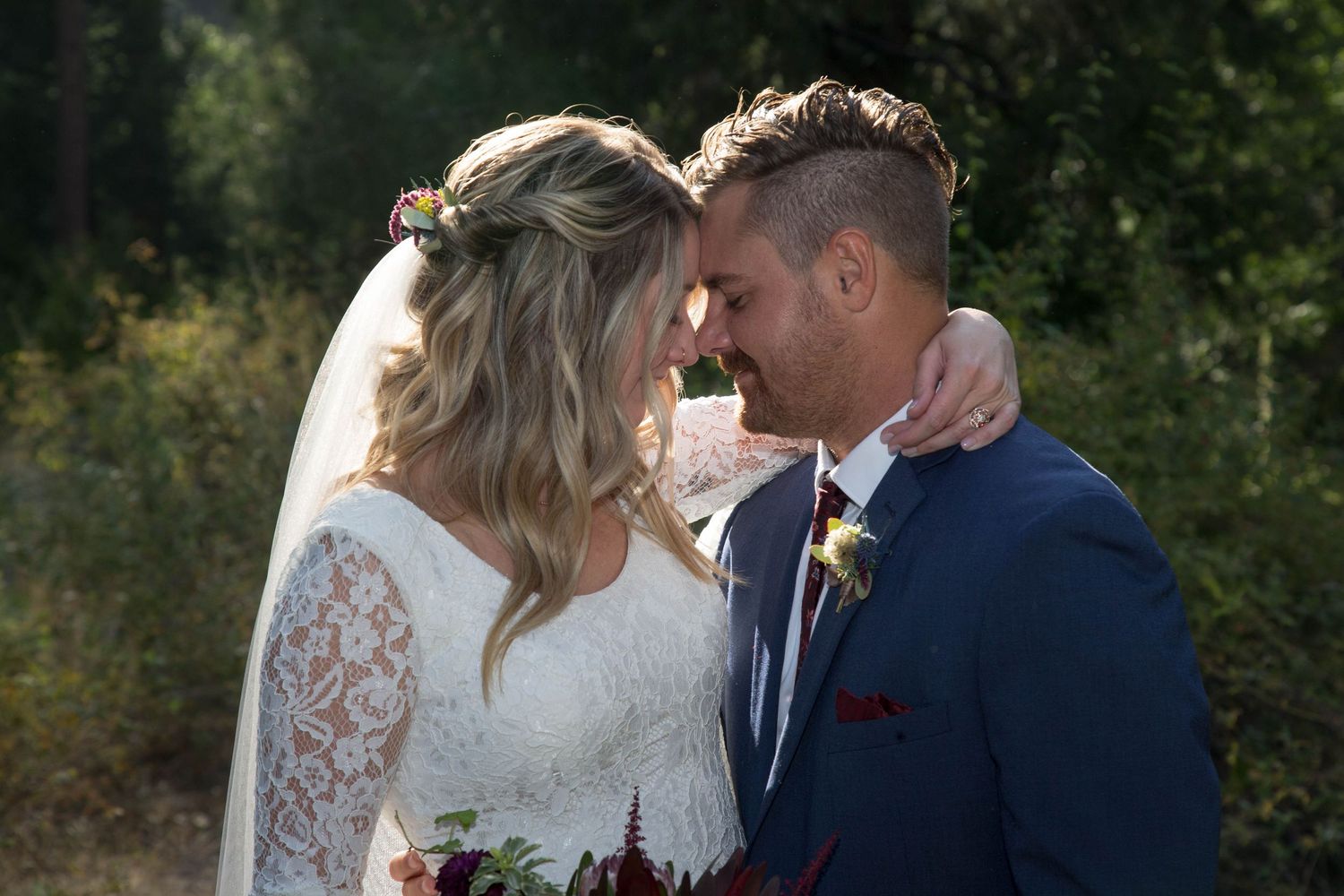
The ceremony exit. The first look at your parent's face. The quiet
moment between you and your partner that happens without any prompting
at all, usually in a hallway, usually when you think nobody is
watching.
The reception speech that makes the whole room simultaneously cry and
laugh. The flower girl who gave up on the aisle and is now sitting
cross-legged on the floor. Your person, seen from across the dance
floor, completely unguarded.
These are the images that will matter in thirty years. They are also
the hardest images to make. They require a photographer who is fully
present, technically prepared, and genuinely interested in the human
beings in front of them.
Why Gettysburg Couples Connect With This Style
Something about Gettysburg attracts couples who want weight in their
images. The landscape here is not decorative. It carries history in a
way you can feel, and couples who choose to get married in this area
tend to want photographs that carry something too.
I have photographed weddings at Hickory Bridge Farm, on battlefield
ridgelines, in old stone churches, and in barns that have been
standing for a hundred and fifty years. Every one of those settings
rewards the documentary approach. The place is doing real work. My job
is to be honest about it.
If This Resonates With You
You already know whether this is the approach you want. Either you
want to be directed through your day and handed a polished set of
images that look like weddings are supposed to look, or you want a
record of what your day actually was.
I photograph for the second kind of couple. If that is you, I would
love to hear about your wedding.
Start the conversation at jennykphoto.com